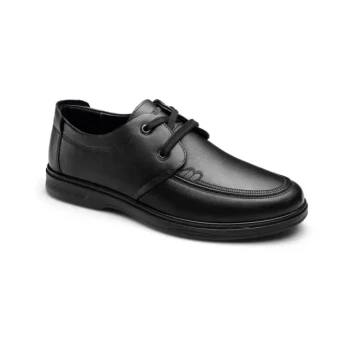
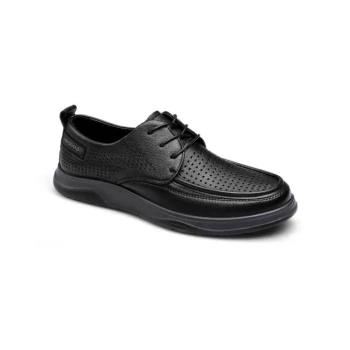
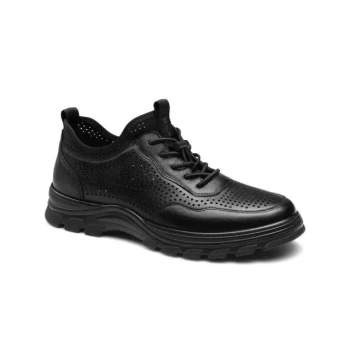
Целостность данных начинается с самого низа. Плоские тренировочные кроссовки с надежными застежками необходимы для устранения относительного движения между стопой и обувью. Эта спецификация оборудования гарантирует, что обувь действует как единое целое с телом, предотвращая проскальзывание, которое в противном случае исказило бы запись момента удара пяткой.
Механическая стабильность, обеспечиваемая надежными ремешками, предотвращает отсоединение или скольжение обуви во время движения. Это гарантирует, что пространственные расчеты — в частности, длина шага, ширина шага и длина прохода — отражают реальную физиологию испытуемого, а не неисправность оборудования.
Механика стабильности измерений
Предотвращение проскальзывания обуви
Чтобы анализ походки был действительным, система датчиков должна отслеживать стопу, а не просто обувь.
Если обувь свободна, возникает «задержка» или пространственное расхождение между движением стопы и контактом обуви с землей. Надежные застежки фиксируют стопу на месте, гарантируя, что обувь не будет скользить или отсоединяться во время фаз переноса или опоры.
Захват истинного удара пяткой
Момент удара пяткой — это основополагающее событие цикла походки.
Свободная обувь может привести к тому, что обувь коснется земли немного раньше или позже фактической пятки, или в немного другом месте. Используя ремешки для фиксации обуви, вы гарантируете, что каждый отпечаток ноги точно отражает точное время и место биологического удара пяткой.
Влияние на пространственные параметры
Точность длины шага
Длина шага рассчитывается на основе расстояния между точками начального контакта противоположных стоп.
Если обувь скользит внутри ботинка или ботинок скользит по полу при контакте, это расстояние становится искусственным. Плоские кроссовки с ремешками минимизируют это отклонение, обеспечивая истинное измерение продвижения вперед.
Согласованность ширины шага и длины прохода
Боковая стабильность так же важна, как и движение вперед.
Ширина шага измеряет медиолатеральное расстояние между пятками; без надежной фиксации обувь может вращаться или смещаться вбок. Надежные ремешки гарантируют, что обувь остается выровненной по оси стопы, сохраняя точность как ширины шага, так и общих данных о длине прохода.
Распространенные ошибки при выборе обуви
Риск артефактов движения
Неиспользование надежных ремешков вводит «артефакты движения» — точки данных, которые выглядят реальными, но на самом деле являются ошибками.
При анализе походки скользящая обувь может имитировать патологию, такую как шарканье или волочение, которой на самом деле не существует. Это может привести к неправильному диагнозу или неверной биомеханической оценке.
Непоследовательное крепление
Даже при правильной обуви непоследовательное применение создает переменные.
Если ремешки затянуты в одном испытании и ослаблены в следующем, отклонение в длине шага может быть отнесено к испытуемому, а не к оборудованию. Одинаковая степень затяжки необходима для повторяемости.
Обеспечение точности данных в вашем протоколе
Чтобы максимизировать надежность ваших оценок походки, стандартизация обуви является обязательным шагом в вашем протоколе.
- Если ваш основной фокус — клиническая диагностика: Убедитесь, что ремешки затянуты достаточно, чтобы предотвратить подъем пятки внутри обуви, так как это напрямую влияет на обнаружение удара пяткой.
- Если ваш основной фокус — продольные исследования: предпишите использование той же самой модели плоских кроссовок с ремешками для всех сеансов, чтобы исключить переменные, связанные с оборудованием.
Закрепите стопу, чтобы закрепить данные.
Сводная таблица:
| Ключевое преимущество | Влияние на точность данных |
|---|---|
| Предотвращает проскальзывание обуви | Устраняет относительное движение; обувь действует как продолжение тела. |
| Захватывает истинный удар пяткой | Гарантирует точное время и место начального контакта. |
| Обеспечивает пространственную точность | Обеспечивает точную длину шага, ширину и длину прохода. |
| Избегает артефактов движения | Предотвращает ложные данные, имитирующие патологию или ошибки. |
| Повышает точность данных | Стандартизирует измерения для надежных оценок. |
Ищете высокопроизводительные тренировочные кроссовки или специализированные обувные решения для вашего бренда или дистрибьюторской сети? Как крупный производитель, обслуживающий дистрибьюторов и владельцев брендов, 3515 предлагает комплексные производственные возможности для всех типов обуви, опираясь на нашу флагманскую серию Safety Shoes. Наш обширный портфель охватывает рабочую и тактическую обувь, обувь для активного отдыха, тренировочную обувь и кроссовки, а также классическую и официальную обувь для удовлетворения разнообразных оптовых потребностей. Обеспечьте точность и качество каждой пары — свяжитесь с нами сегодня, чтобы обсудить ваши конкретные потребности!
Ссылки
- Abdulhamid U. Maje, Aminu A. Ibrahim. Effectiveness of an 8-week overground walking with paretic lower limb loading on spatiotemporal gait parameters and motor function among chronic stroke survivors: a study protocol for a randomised controlled trial. DOI: 10.1186/s13063-022-07057-3
Эта статья также основана на технической информации из 3515 База знаний .
Связанные товары
- Легкие дышащие тренировочные туфли для оптовой торговли и производства OEM на заказ
- Пользовательские OEM тренировки обувь оптом производитель прочный и дышащий
- Оптовая продажа дышащих и мягких тренировочных ботинок пользовательского фабричного производства
- Оптовая прочный и дышащий тренировочные ботинки для пользовательских брендов
- Оптовая обувь для тренировок с системой шнуровки циферблата Пользовательские OEM производства
Люди также спрашивают
- Почему для прогулок по городу часто предпочитают легкие кроссовки, а не профессиональные походные ботинки? Максимальный городской комфорт
- Какова основная роль специализированной тренировочной или ортопедической обуви? Повышение безопасности при тренировке равновесия у пожилых людей
- Почему профессиональные тренировочные кроссовки необходимы для физиотерапии? Обеспечение безопасности пациента и стабильности походки
- Почему противоскользящие свойства и устойчивость тренировочной обуви имеют решающее значение при анализе походки? Обеспечение точности данных
- Почему использование обуви с плоской подошвой или профессиональной тренировочной обуви необходимо для WBV? Максимизация передачи энергии вибрации