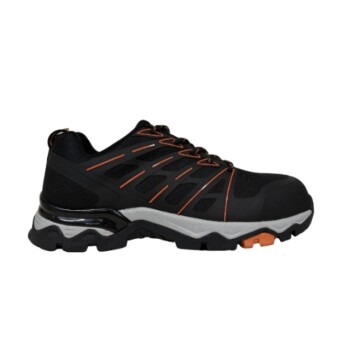
Разрешение конфликта между жесткими защитными конструкциями и комфортом пользователя требует стратегического сочетания регулируемых систем шнуровки, гибкой набивки и целенаправленной амортизации. Сосредоточив модификации дизайна на участках с повышенной нагрузкой, можно уменьшить физическое стеснение, присущее обуви с твердым верхом. Эти корректировки позволяют обуви сохранять свою защитную целостность, одновременно значительно повышая комфорт для пользователей с чувствительными ногами, особенно среди пожилых людей.
Основная задача при разработке защитной обуви — не устранить жесткость, а смягчить ее. Наиболее эффективное решение создает адаптивный внутренний интерфейс, который изолирует чувствительную стопу от негибкого внешнего корпуса.
Отделение жесткости от контакта
Роль регулируемой шнуровки
Жесткие конструкции часто терпят неудачу, потому что они фиксируют стопу в одном объеме. Регулируемые системы шнуровки решают эту проблему, позволяя пользователю настраивать посадку динамически.
Эта возможность имеет решающее значение для пожилых пользователей, поскольку она учитывает ежедневные колебания объема стопы. Ослабляя или затягивая определенные зоны, пользователь предотвращает постоянное давление жесткого корпуса.
Интеграция гибкой набивки
Чтобы еще больше отделить стопу от твердой внешней части ботинка, дизайнеры должны интегрировать гибкую набивку.
В отличие от статической пены, гибкая набивка движется вместе со стопой во время циклов ходьбы. Это уменьшает трение и гарантирует, что защитный внешний слой не врезается в мягкие ткани во время движения.
Управление ударами и нагрузками
Целенаправленная амортизация
Жесткие подошвы передают энергию удара непосредственно на скелет, что проблематично для пожилых пользователей. Решение заключается в использовании амортизирующих материалов в местах повышенной нагрузки, таких как пятка и плюсневые кости.
Эти материалы действуют как демпфер, поглощая силу реакции опоры до того, как она пройдет вверх по ноге. Эта модификация необходима для повышения комфорта при длительном ношении.
Снятие стеснения
Ботинки с закрытым носком естественным образом создают стесненную среду. Модификации дизайна должны быть явно направлены на снятие этого стеснения без ущерба для структурной формы.
Размещение мягких материалов в критических точках сгиба уменьшает ощущение "запертости". Это жизненно важно для пользователей с высокой чувствительностью стопы, которые не переносят длительного сжатия.
Понимание компромиссов
Амортизация против проприоцепции
Хотя добавление гибкой набивки повышает комфорт, чрезмерная мягкость может снизить устойчивость.
Для пожилых людей пользователь по-прежнему должен чувствовать землю, чтобы поддерживать равновесие. Дизайн должен обеспечивать баланс между амортизацией и достаточной жесткостью для обеспечения надежной опоры.
Сложность против удобства использования
Регулируемые системы шнуровки обеспечивают превосходный комфорт, но могут внести сложность.
Если системой шнуровки слишком сложно манипулировать, пожилым пользователям с пониженной ловкостью может быть трудно использовать обувь. Механизм должен оставаться интуитивно понятным и простым в эксплуатации.
Сделайте правильный выбор для вашего дизайна
При окончательном определении спецификаций защитной обуви для пожилых людей учитывайте основное назначение ботинка:
- Если ваш основной фокус — учет отека стопы: Приоритет отдавайте регулируемым системам шнуровки, которые допускают значительные изменения объема в течение дня.
- Если ваш основной фокус — снижение боли в суставах: Сосредоточьтесь на интеграции высококачественных амортизирующих материалов в области пятки и подушечки стопы.
- Если ваш основной фокус — предотвращение мозолей и потертостей: Убедитесь, что внутренняя часть выстлана гибкой набивкой, которая изолирует стопу от жесткого носка.
Успех заключается в создании ботинка, который снаружи прочен, а внутри адаптируется к особенностям чувствительных ног.
Сводная таблица:
| Функция | Стратегия дизайна | Основное преимущество |
|---|---|---|
| Системы шнуровки | Регулируемые и зонированные | Учитывает отеки и уменьшает давление |
| Набивка | Гибкая и кинетическая | Уменьшает трение и изолирует от жестких корпусов |
| Амортизация | Целенаправленная пятка/плюсна | Минимизирует нагрузку на суставы и удар по скелету |
| Точки сгиба | Интеграция мягких материалов | Предотвращает стеснение во время цикла ходьбы |
| Плотность подошвы | Баланс жесткости/амортизации | Обеспечивает проприоцепцию и устойчивость для пожилых людей |
Сотрудничайте с 3515 для передовых эргономичных решений для обуви
Являясь крупным производителем, обслуживающим мировых дистрибьюторов и владельцев брендов, 3515 предлагает комплексные производственные возможности для всех типов обуви. Мы специализируемся на решении сложного баланса между защитой и комфортом для носителя, опираясь на нашу флагманскую серию Safety Shoes.
Независимо от того, нужно ли вам разрабатывать специализированные походные ботинки для пожилых людей или высокопроизводительное тактическое снаряжение, наш обширный портфель, включающий тренировочные кроссовки, кеды и классические туфли, разработан для точного удовлетворения разнообразных оптовых потребностей.
Готовы улучшить свою линейку продуктов с помощью передовых технологий комфорта? Свяжитесь с нами сегодня, чтобы обсудить ваши производственные потребности.
Ссылки
- Ana Cláudia Antunes, Alexandre Amorim dos Reis. Desconforto em calçados segundo a percepção do público idoso feminino. DOI: 10.5965/1982615x15372022218
Эта статья также основана на технической информации из 3515 База знаний .
Связанные товары
- Спортивная защитная обувь из премиальной замши для оптовых и крупнооптовых заказов
- Премиальная легкая защитная обувь для оптовой и крупнооптовой продажи
- Оптовая противоскользящая и пробивная защитная обувь на заказ для брендов
- Спортивная защитная обувь премиум-класса с инжекционным методом KPU
- Премиальная защитная обувь с вращающейся пряжкой, защитные кроссовки
Люди также спрашивают
- Каковы основные функции профессиональной защитной обуви? Максимальная безопасность в замкнутых пространствах водоснабжения
- Какие отрасли имеют особые требования OSHA к обуви? Обеспечьте соответствие и защитите свою рабочую силу
- Какую роль играют специализированные защитные ботинки в предотвращении падений? Инженерная устойчивость в промышленных условиях
- Каковы основные характеристики безопасности обуви S1-S5? 3 основные защиты объяснены
- Почему в биомеханических испытаниях используются индивидуальные датчики стопы или профессиональная защитная обувь? Точные выводы