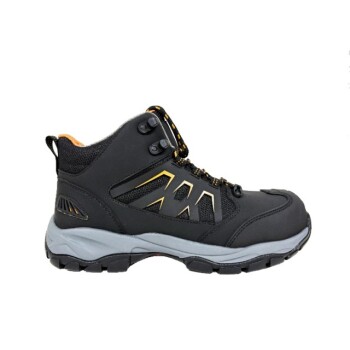
Противоскользящие подошвы и ортопедические конструкции каблука функционируют как интегрированная система безопасности. Значительно увеличивая коэффициент трения подошвы и используя предустановленные опорные структуры, эти функции работают вместе, чтобы обеспечить сцепление на опасных поверхностях, одновременно рассеивая физический стресс. Этот двойной подход решает как непосредственный риск падения на мокрых или масляных полах, так и кумулятивную нагрузку от длительного стояния в профессиональных условиях.
Ключевой вывод: В то время как противоскользящая технология предотвращает непосредственные несчастные случаи при передвижении по поверхностям с низким сцеплением, ортопедическая инженерия поддерживает работоспособность работника, управляя давлением на подошву. Вместе они превращают обувь из простой защитной экипировки в инструмент устойчивости, который обеспечивает безопасность как персонала, так и непрерывность производства.
Механика сцепления и устойчивости
Увеличение коэффициента трения
Основным механизмом безопасности в сложных условиях является манипулирование коэффициентом трения. Противоскользящие подошвы разработаны для увеличения сопротивления между материалом обуви и поверхностью пола. Это обеспечивает надежное сцепление даже тогда, когда поверхность нарушена водой, маслом или другими промышленными жидкостями.
Специализированные рисунки протектора
Сцепление материала часто усиливается специфическими рисунками протектора. Эти конструкции помогают отводить жидкости от точек контакта подошвы. Это предотвращает аквапланирование на полах, покрытых жидкостью, поддерживая устойчивость, необходимую для безопасного передвижения.
Предотвращение сбоев в работе
Снижая риск поскальзываний, спотыканий и падений, эти подошвы делают больше, чем просто защищают здоровье отдельных людей. Они защищают непрерывность производства. Надежное сцепление позволяет сотрудникам работать без колебаний, напрямую повышая общую производительность и формируя ощутимую культуру безопасности.
Ортопедическая поддержка и управление давлением
Рассеивание давления на подошву
Ортопедические конструкции каблука решают физиологическую нагрузку на рабочем месте. Они оснащены предустановленными структурами поддержки свода стопы и пятки, специально контурированными под стопу. Эти компоненты активно рассеивают давление на подошву, которое накапливается во время длительного стояния, снижая усталость и риски долгосрочных травм.
Повышение структурной устойчивости
Внутренняя поддержка наиболее эффективна, когда стопа надежно зафиксирована внутри обуви. Элементы, такие как надежные ремешки на пятке, работают в сочетании с поддержкой свода стопы, чтобы зафиксировать стопу на месте. Это предотвращает внутреннее скольжение и значительно повышает общую устойчивость обуви во время движения.
Понимание компромиссов
Специфика среды
Подошвы с высоким коэффициентом трения не являются универсальным решением для всех опасностей. Например, обувь, оптимизированная для сопротивления скольжению, необходимого в лаборатории, может не иметь защиты от проколов или усиленного носка, необходимых для строительной площадки. Неправильное применение дизайна обуви в неподходящей среде может оставить работников уязвимыми к ударным или химическим рискам.
Зависимость от обслуживания
Безопасность, обеспечиваемая этими конструкциями, не является постоянной без ухода. Противоскользящие протекторы могут засоряться мусором, что резко снижает коэффициент трения. Требуется регулярная чистка для поддержания эффективности сцепления, которую должна обеспечивать подошва.
Сделайте правильный выбор для вашей среды
Выбор правильной обуви требует анализа специфических нагрузок вашего рабочего места.
- Если ваш основной фокус — опасности, связанные с жидкостями (лаборатории/кухни): Отдавайте предпочтение подошвам с высоким коэффициентом трения и специальными рисунками протектора для передвижения по мокрым или масляным полам.
- Если ваш основной фокус — стационарная работа (сборочные линии/розничная торговля): Отдавайте предпочтение ортопедическим конструкциям с предустановленной поддержкой свода стопы для управления давлением на подошву и усталостью.
- Если ваш основной фокус — тяжелая промышленность (строительство/производство): Убедитесь, что сопротивление скольжению сочетается с надежными функциями, такими как усиленный носок или химически стойкие материалы.
Истинная безопасность на рабочем месте достигается тогда, когда механические свойства обуви идеально соответствуют требованиям среды пола.
Сводная таблица:
| Характеристика | Основной механизм | Преимущество безопасности |
|---|---|---|
| Противоскользящая подошва | Высокий коэффициент трения и рисунки протектора | Предотвращает аквапланирование и поскальзывания на мокрых/масляных полах |
| Ортопедический каблук | Предустановленные структуры поддержки свода стопы и пятки | Рассеивает давление на подошву и снижает долгосрочную усталость |
| Интегрированная система | Комбинированное сцепление и внутреннее выравнивание | Обеспечивает непрерывность производства и здоровье работника |
| Обслуживание | Регулярное удаление мусора | Поддерживает эффективность сцепления и безопасность эксплуатации |
Сотрудничайте с 3515 для высокопроизводительной промышленной обуви
Являясь крупномасштабным производителем, обслуживающим дистрибьюторов и владельцев брендов по всему миру, 3515 предлагает комплексные производственные возможности для всех типов обуви. Наша флагманская серия Safety Shoes разработана для работы в сложных условиях с использованием передовых противоскользящих технологий и эргономичной поддержки.
Независимо от того, нужны ли вам прочные рабочие и тактические ботинки, обувь для активного отдыха, кроссовки для тренировок или профессиональная обувь Dress & Formal для оптовых заказов, наша команда обеспечивает долговечность и точность, которые требует ваш бренд.
Готовы повысить уровень вашей продуктовой линейки, внедрив ведущие в отрасли стандарты безопасности? Свяжитесь с нами сегодня, чтобы обсудить ваши производственные потребности!
Ссылки
- Yirui Peng. Market Fluctuations and the Crocs' Resurgence. DOI: 10.54254/2754-1169/49/20230536
Эта статья также основана на технической информации из 3515 База знаний .
Связанные товары
- Усовершенствованная спортивная защитная обувь KPU со стальным подноском и противоскользящей системой шнуровки с вращающимся диском
- Спортивная защитная обувь из премиальной замши для оптовых и крупнооптовых заказов
- Оптовая противоскользящая и пробивная защитная обувь на заказ для брендов
- Прочные водонепроницаемые защитные ботинки из нубука для оптовых поставок
- Премиальная защитная обувь с вращающейся пряжкой, защитные кроссовки
Люди также спрашивают
- Каковы ключевые различия между стальными и композитными защитными носками? Выберите правильную защиту для вашей работы
- Какое влияние стальные подноски оказывают на здоровье кожи пальцев ног? Предотвращение трения и давления в вашей защитной обуви
- Каковы основные защитные функции защитной обуви со стальным подноском в индустрии ремонта автомобилей?
- Какой тип защитной обуви рекомендуется для работников, подверженных воздействию тяжелой техники? Ботинки со стальным носком для максимальной защиты
- Как определение конкретных моделей фрикционных интерфейсов в методе конечных элементов (МКЭ) помогает прогнозировать виды отказов защитных подносков обуви?