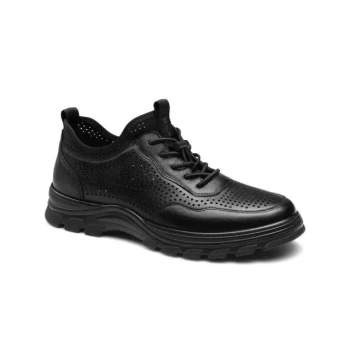
Получение данных о скелетной мышечной массе (SKMM) служит основополагающим планом для биомеханического проектирования продукции. Получая точные измерения SKMM, разработчики могут выйти за рамки стандартных размеров и создавать функциональное оборудование — такое как тренировочная обувь и защитная экипировка — которое соответствует конкретному распределению мышечной силы и потенциалу выносливости пользователя. Эти данные напрямую влияют на решения, касающиеся структурной поддержки, плотности амортизации и механизмов предотвращения травм.
Основной вывод: Точные данные SKMM позволяют перейти от универсального подхода к проектированию, основанному на производительности. Картируя распределение и мощность мышц, разработчики могут создавать экипировку, которая оптимизирует спортивные результаты и снижает риск травм, механически поддерживая фактические физиологические возможности тела.
Преобразование биометрических данных в механический дизайн
Картирование распределения мышечной силы
Данные SKMM предоставляют больше, чем просто общий объем мышц; они дают представление о распределении силы. Разработчики используют эти данные для определения областей тела, которые генерируют наибольшую силу во время движения. Это позволяет стратегически размещать жесткие материалы в обуви для стабилизации областей с высокой нагрузкой, гарантируя, что экипировка сможет выдерживать и эффективно направлять мощность пользователя.
Оценка потенциала выносливости
В основном источнике отмечается, что SKMM является основным показателем тренировочной способности. Понимая потенциал выносливости целевой группы (например, спортсменов, занимающихся высокоинтенсивными тренировками, или студентов), инженеры могут выбирать материалы, которые сохраняют целостность в течение определенного времени. Экипировка, разработанная для пользователей с высокой выносливостью, использует материалы, устойчивые к остаточной деформации и усталости при длительном использовании.
Оптимизация функциональной обуви и защиты
Калибровка систем поддержки
Данные о мышечной массе напрямую определяют структурную жесткость, необходимую для тренировочного оборудования. Группа с высоким уровнем SKMM оказывает значительно большее воздействие на землю и свое оборудование. Следовательно, тренировочная обувь для этой группы должна быть спроектирована с усиленными боковыми стенками и более жесткими шасси для предотвращения перекатывания и максимальной стабилизации.
Точное проектирование амортизации
Амортизация не является универсальной; ее необходимо настраивать в соответствии с нагрузкой. Более высокая скелетная мышечная масса обычно коррелирует с более тяжелым и мощным ударом. Разработчики используют данные SKMM для расчета необходимой степени сжатия межподошвы обуви и защитных накладок, гарантируя, что материал эффективно поглощает удары, не "пробиваясь" и не нарушая баланс пользователя.
Понимание компромиссов
Специализация против универсальности
Значительная проблема при использовании данных SKMM заключается в компромиссе между специализацией и привлекательностью для массового рынка. Экипировка, оптимизированная для высокого уровня SKMM (высокая жесткость, плотная амортизация), может показаться неудобной или нечувствительной для пользователей с меньшей мышечной массой. Разработчики должны решить, ориентироваться ли на нишевую аудиторию "высокоинтенсивных" спортсменов или усреднять данные для более широкой, менее специализированной аудитории.
Стоимость точности
Основной источник подчеркивает необходимость профессионального оборудования для получения точных данных. Опора на оценочные или обобщенные данные SKMM может привести к ошибкам в дизайне, таким как неправильно расположенные зоны поддержки или недостаточная защита от ударов. Разработка высококачественных продуктов требует инвестиций в точное получение данных, что повышает барьер для входа в НИОКР.
Сделайте правильный выбор для вашей цели
Как применить это к вашему проекту
Чтобы эффективно использовать данные SKMM, вы должны классифицировать физиологический профиль целевого пользователя перед эскизом дизайна.
- Если ваш основной фокус — повышение производительности: Приоритезируйте жесткость материалов и возврат энергии, соответствующие высокой выходной мощности, указанной данными высокого уровня SKMM.
- Если ваш основной фокус — предотвращение травм: Сосредоточьтесь на стабилизации конкретных мышечных групп, выявленных в данных распределения, для снижения нагрузки на суставы и связки.
- Если ваш основной фокус — комфорт: Используйте данные о потенциале выносливости для выбора дышащих, податливых материалов, которые поддерживают тело, не ограничивая естественные движения во время активностей с низкой интенсивностью.
Успех в дизайне функциональной экипировки заключается в рассмотрении мышечной массы тела не как статического веса, а как динамического двигателя, который определяет механические требования.
Сводная таблица:
| Функция | Влияние данных SKMM на дизайн | Инженерное преимущество |
|---|---|---|
| Структурная жесткость | Высокий уровень SKMM требует усиленных боковин/шасси | Предотвращает перекатывание и стабилизирует выход высокой мощности |
| Плотность амортизации | Настраивается в соответствии с несущей мышечной массой | Максимизирует поглощение ударов без пробивания |
| Выбор материалов | На основе выносливости и тренировочной способности | Обеспечивает долговечность и устойчивость к усталости |
| Зоны поддержки | Картируются в соответствии с конкретным распределением мышечной силы | Оптимизирует передачу мощности и снижает нагрузку на суставы |
Сотрудничайте с 3515 для разработки высокопроизводительных обувных решений
Являясь крупномасштабным производителем, обслуживающим дистрибьюторов и владельцев брендов, 3515 предлагает комплексные производственные возможности для всех типов обуви, опираясь на нашу флагманскую серию Safety Shoes. Наш обширный портфель охватывает рабочую и тактическую обувь, обувь для активного отдыха, тренировочную обувь и кроссовки, а также классическую и официальную обувь для удовлетворения разнообразных оптовых потребностей.
Мы преобразуем сложные биомеханические данные в готовые к рынку продукты, которые защищают и обеспечивают производительность. Независимо от того, разрабатываете ли вы специализированную тренировочную экипировку или прочные рабочие ботинки, наш инженерный опыт гарантирует, что ваш бренд обеспечит превосходное качество и безопасность.
Готовы улучшить свою линейку продуктов? Свяжитесь с нами сегодня, чтобы обсудить ваши производственные потребности и открыть для себя преимущества 3515.
Ссылки
- Luis A. González Torres, Carmen Gugu-Gramatopol. Correlations between Mental Health, Physical Activity, and Body Composition in American College Students after the COVID-19 Pandemic Lockdown. DOI: 10.3390/ijerph20227045
Эта статья также основана на технической информации из 3515 База знаний .
Связанные товары
- Легкие дышащие тренировочные туфли для оптовой торговли и производства OEM на заказ
- Пользовательские OEM тренировки обувь оптом производитель прочный и дышащий
- Оптовая продажа дышащих и мягких тренировочных ботинок пользовательского фабричного производства
- Оптовая прочный и дышащий тренировочные ботинки для пользовательских брендов
- Оптовая дышащая обувь тренировки пользовательские спортивная обувь производитель
Люди также спрашивают
- Почему для прогулок по городу часто предпочитают легкие кроссовки, а не профессиональные походные ботинки? Максимальный городской комфорт
- Какова основная роль специализированной тренировочной или ортопедической обуви? Повышение безопасности при тренировке равновесия у пожилых людей
- Почему профессиональные тренировочные кроссовки необходимы для физиотерапии? Обеспечение безопасности пациента и стабильности походки
- Почему противоскользящие свойства и устойчивость тренировочной обуви имеют решающее значение при анализе походки? Обеспечение точности данных
- Почему использование обуви с плоской подошвой или профессиональной тренировочной обуви необходимо для WBV? Максимизация передачи энергии вибрации