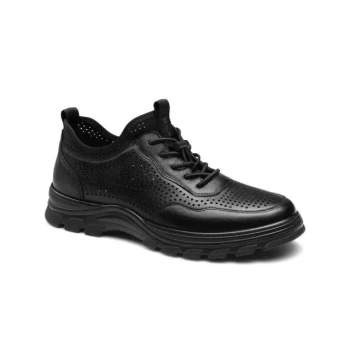
Минималистичная беговая обувь определяется своим намерением восстановить естественную механику стопы путем pengurangan. Используя высокую гибкость, тонкую амортизацию межподошвы и перепад высоты от пятки к носку 4 мм или менее, эта обувь устраняет стандартные для традиционной обуви тяжелые супинаторы и жесткие устройства контроля движения, чтобы снизить вес и улучшить метаболическую эффективность.
Убирая искусственную стабилизацию и тяжелую амортизацию, минималистичная обувь имитирует бег босиком. Это способствует смещению в сторону приземления на среднюю или переднюю часть стопы, что повышает эффективность бега и общую выносливость за счет оптимизации биомеханики нижних конечностей.
Инженерия для естественной биомеханики
Имитация состояния бега босиком
Основная цель дизайна минималистичной обуви — имитировать бег босиком, обеспечивая при этом базовую защиту.
В отличие от структурированной обуви, которая изолирует стопу, минималистичный дизайн отличается сверхлегкой конструкцией и тонкими межподошвами.
Это уменьшение количества материалов увеличивает сенсорную обратную связь, позволяя бегуну лучше ощущать землю и соответствующим образом корректировать свою походку.
Значение низкого перепада высоты
Традиционная обувь часто имеет значительную разницу в высоте между пяткой и носком, чтобы компенсировать приземление на пятку.
Минималистичная обувь использует нулевой или низкий перепад высоты (4 мм или менее).
Эта геометрия препятствует высокоударному приземлению на пятку и вместо этого способствует приземлению на среднюю или переднюю часть стопы, которое биомеханически отличается и часто более эффективно для выносливости.
Восстановление механической гибкости
Структурированная обувь часто использует жесткие материалы для контроля пронации, что может ограничивать естественное движение стопы.
Минималистичная обувь отдает приоритет исключительной продольной и торсионной гибкости.
Это позволяет стопе сгибаться, расходиться и функционировать как динамический амортизатор, задействуя мышцы стопы, а не полагаясь на обувь для стабилизации.
Эффективность за счет снижения веса
Устранение паразитарного веса
Одним из наиболее очевидных преимуществ для бегунов на выносливость является снижение физической массы.
Устраняя сложные системы амортизации, тяжелые супинаторы и устройства контроля движения, обувь становится значительно легче.
Это снижение веса напрямую способствует повышению эффективности бега, поскольку при каждом шаге тратится меньше энергии на движение ноги.
Увеличение частоты шагов
Сочетание уменьшенного веса и повышенной сенсорной обратной связи часто приводит к естественной корректировке каденса.
Бегуны в минималистичной обуви, как правило, принимают более высокую частоту шагов.
Этот быстрый оборот сокращает время контакта с землей, дополнительно совершенствуя биомеханику нижних конечностей для тренировок на выносливость.
Понимание компромиссов
Потеря искусственной амортизации
Хотя удаление тяжелой амортизации повышает эффективность, оно также устраняет искусственную амортизацию, к которой привыкли многие бегуны.
Организм должен адаптироваться, чтобы генерировать собственную амортизацию за счет активации мышц и измененной биомеханики.
Без гашения толстой межподошвы механическая нагрузка по-другому передается через ахиллово сухожилие и икроножные мышцы.
Требование адаптации
Переход от структурированной обуви с высоким перепадом высоты к гибкой обуви с низким перепадом высоты требует значительного изменения походки.
Поскольку этой обуви не хватает жестких устройств контроля движения, мышцы стопы должны обеспечивать стабилизацию, ранее предоставляемую обувью.
Эта модификация биомеханики нижних конечностей требует переходного периода, чтобы обеспечить развитие естественных паттернов походки без травм.
Сделайте правильный выбор для своей цели
Выбор правильной обуви зависит от ваших конкретных биомеханических потребностей и целей производительности.
- Если ваш основной фокус — максимальная эффективность: Отдавайте предпочтение минималистичной обуви, чтобы снизить вес и способствовать приземлению на переднюю часть стопы, которое использует естественную эластичность вашего тела.
- Если ваш основной фокус — структурная поддержка: Признайте, что традиционная обувь обеспечивает искусственную стабильность и амортизацию, которых намеренно не хватает минималистичным дизайнам для имитации условий бега босиком.
В конечном счете, минималистичная обувь — это инструмент для освобождения стопы для оптимизации естественной механики выносливости.
Сводная таблица:
| Характеристика | Минималистичная обувь | Традиционная структурированная обувь |
|---|---|---|
| Перепад высоты от пятки к носку | 0 мм - 4 мм (низкий/нулевой перепад) | 8 мм - 12 мм+ (высокий перепад) |
| Амортизация | Тонкая, высокосенсорная межподошва | Толстая, искусственная амортизация |
| Вес | Сверхлегкая | Тяжелее (из-за поддержки) |
| Паттерн приземления | Приземление на среднюю/переднюю часть стопы | Приземление на пятку |
| Гибкость | Высокая продольная и торсионная | Жесткая / с контролем движения |
| Тип поддержки | Стабилизация за счет мышц | Встроенная поддержка свода стопы/пронации |
Расширьте свою линейку обуви с производственным совершенством 3515
Являясь крупномасштабным производителем, обслуживающим глобальных дистрибьюторов и владельцев брендов, 3515 предлагает комплексные производственные возможности, необходимые для вывода на рынок высокопроизводительной обуви. Независимо от того, расширяете ли вы линейку минималистичной беговой обуви или ищете флагманские защитные ботинки, наш опыт гарантирует, что ваша продукция будет соответствовать высочайшим стандартам долговечности и биомеханического дизайна.
Наша ценность для вас:
- Универсальный портфель: Специализированное производство рабочих и тактических ботинок, обуви для активного отдыха, тренировочных кроссовок и формальной обуви.
- Превосходство в массовом производстве: Масштабируемые решения, разработанные для удовлетворения строгих требований владельцев брендов и дистрибьюторов.
- Экспертное мастерство: Основываясь на нашей известной серии защитной обуви, мы предоставляем техническую основу для любой категории обуви.
Готовы увеличить свой ассортимент обуви с помощью надежного производственного партнера? Свяжитесь с нами сегодня, чтобы обсудить ваши потребности в оптовых поставках.
Ссылки
- Chiara Modestini, Cynthia Formosa. The Effects of Minimalist Shoes on the General Endurance in Long-Distance Recreational Runners. DOI: 10.31080/asor.2022.05.0467
Эта статья также основана на технической информации из 3515 База знаний .
Связанные товары
- Легкие дышащие тренировочные туфли для оптовой торговли и производства OEM на заказ
- Оптовая легкие мягкие спортивные кроссовки для пользовательских массового производства
- Легкие дышащие кроссовки с мокрым сцеплением для оптовой и частной торговли
- Премиальная легкая защитная обувь для оптовой и крупнооптовой продажи
- Оптовая торговля легкие тактические ботинки с циферблата закрытия OEM и объемных заказов
Люди также спрашивают
- Почему для прогулок по городу часто предпочитают легкие кроссовки, а не профессиональные походные ботинки? Максимальный городской комфорт
- Какова основная роль специализированной тренировочной или ортопедической обуви? Повышение безопасности при тренировке равновесия у пожилых людей
- Почему профессиональные тренировочные кроссовки необходимы для физиотерапии? Обеспечение безопасности пациента и стабильности походки
- Почему противоскользящие свойства и устойчивость тренировочной обуви имеют решающее значение при анализе походки? Обеспечение точности данных
- Почему использование обуви с плоской подошвой или профессиональной тренировочной обуви необходимо для WBV? Максимизация передачи энергии вибрации