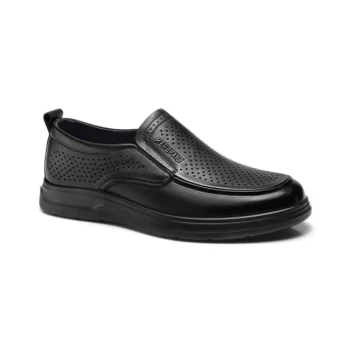
Профессиональная нескользящая обувь обладает явными техническими преимуществами перед стандартной обувью благодаря интеграции специализированных подошв и усиленной конструкции. В отличие от стандартных туфель на плоской подошве или тапочек, эта обувь спроектирована для максимизации коэффициента трения за счет глубокого протектора и надежной поддержки свода стопы, обеспечивая превосходную стабильность походки на мокрых, скользких или неровных поверхностях.
Основное преимущество заключается в инженерном подходе: профессиональная нескользящая обувь использует передовую геометрию протектора для отвода жидкостей от подошвы, обеспечивая при этом структурную поддержку, которой не хватает стандартным тапочкам, активно предотвращая механику падения до того, как оно произойдет.
Механика контроля сцепления
Максимизация коэффициента трения
Основное техническое отличие заключается в способности обуви сцепляться с полом. Профессиональная обувь изготавливается из специализированных резиновых смесей и имеет конструкцию подошвы, специально разработанную для увеличения коэффициента трения между обувью и землей.
Стандартные туфли на плоской подошве и тапочки часто используют гладкие или полугладкие подошвы, которые гидропланируют по загрязнениям. В отличие от них, материалы с высоким коэффициентом трения в нескользящей обуви «вгрызаются» в поверхность, создавая немедленное сопротивление скольжению.
Отвод жидкостей за счет геометрии протектора
Глубокие рисунки протектора — это не просто текстура; они выполняют гидравлическую функцию. Глубокие канавки в профессиональных подошвах предназначены для отвода жидкостей — таких как вода, масло или грязь — от контактной зоны.
Выталкивая эти вещества из-под стопы, обувь предотвращает попадание жидкостей между подошвой и полом. Это позволяет резине вступать в прямой контакт с твердой поверхностью, сохраняя сцепление там, где стандартная обувь потеряла бы его.
Структурная устойчивость и поддержка походки
Надежная поддержка свода стопы
Предотвращение падения требует большего, чем просто сцепление подошвы; оно требует устойчивости стопы. Профессиональная обувь оснащена надежными конструкциями поддержки свода стопы, которые редко встречаются в стандартных тапочках или туфлях на плоской подошве.
Эта структурная поддержка помогает поддерживать правильное выравнивание стопы. Стабилизируя стопу внутри обуви, она обеспечивает более контролируемую и предсказуемую походку, снижая риск внутреннего скольжения стопы, которое может привести к потере равновесия.
Повышенная устойчивость голеностопа
Помимо поддержки свода стопы, эта обувь часто обеспечивает лучшую устойчивость голеностопа по сравнению с повседневной обувью. Эта конструкция помогает компенсировать нарушение походки или снижение равновесия, действуя как физическое аппаратное обеспечение для защиты от падений.
Стандартные тапочки часто сидят свободно, создавая опасность спотыкания, если обувь соскальзывает с ноги. Профессиональная обувь плотно фиксирует стопу, гарантируя, что обувь реагирует именно так, как намеревался владелец.
Понимание компромиссов
Специфика дизайна
Хотя технически превосходящая по безопасности, эта обувь является специализированным инструментом. Глубокие рисунки протектора, которые отлично сцепляются с мокрыми полами, иногда могут собирать мусор или грязь легче, чем гладкие подошвы, требуя более частой чистки для поддержания эффективности.
Вес и жесткость
Для достижения надежной поддержки свода стопы и долговечности профессиональная нескользящая обувь может быть тяжелее или жестче, чем стандартные тапочки или кеды. Эта повышенная структурная жесткость обеспечивает безопасность, но может потребовать периода притирки для максимального комфорта.
Сделайте правильный выбор для своей цели
Выбор правильной обуви зависит от конкретных опасностей окружающей среды, с которыми вы сталкиваетесь.
- Если ваш основной фокус — опасности, связанные с жидкостями (кухни/больницы): Отдавайте предпочтение обуви с глубокими канавками, предназначенными для отвода воды и масла, чтобы предотвратить гидропланирование.
- Если ваш основной фокус — физическая устойчивость (походка/равновесие): Ищите обувь с надежной поддержкой свода стопы и усилением голеностопа для компенсации проблем с равновесием на неровной поверхности.
Настоящее предотвращение падений является проактивным и опирается на оборудование, которое обеспечивает ваше сцепление с землей независимо от условий поверхности.
Сводная таблица:
| Характеристика | Профессиональная нескользящая обувь | Стандартная обувь на плоской подошве/тапочки |
|---|---|---|
| Сцепление/Трение | Специализированные резиновые смеси с высоким коэффициентом трения; максимальное сцепление | Гладкие/полугладкие подошвы; склонны к гидропланированию |
| Отвод жидкостей | Глубокие рисунки протектора отводят жидкости от подошвы | Отсутствие эффективного отвода жидкостей; задерживает жидкости |
| Поддержка свода стопы | Надежные конструкции поддерживают выравнивание стопы и контроль походки | Минимальная или отсутствующая поддержка свода стопы; нестабильное выравнивание стопы |
| Устойчивость голеностопа | Усиленная поддержка; плотно фиксирует стопу, предотвращает внутреннее скольжение | Часто свободная посадка; плохая поддержка голеностопа, опасность спотыкания |
| Назначение дизайна | Разработана для максимальной безопасности на опасных поверхностях | Разработана для повседневного комфорта; не для предотвращения падений |
Будучи крупным производителем, обслуживающим дистрибьюторов и владельцев брендов, 3515 предлагает комплексные производственные возможности для всех типов обуви. Опираясь на нашу флагманскую серию Safety Shoes, наш обширный портфель охватывает рабочую и тактическую обувь, обувь для активного отдыха, тренировочную обувь и кроссовки, а также обувь Dress & Formal для удовлетворения разнообразных оптовых потребностей. Повысьте качество своей продукции с помощью наших технически превосходных и высококачественных обувных решений — свяжитесь с нами сегодня, чтобы обсудить ваши потребности!
Ссылки
- Iara Sescon Nogueira, Vanessa Denardi Antoniassi Baldissera. Knowledge and practices of elderly women about fall prevention. DOI: 10.1590/1983-1447.2022.20210145.en
Эта статья также основана на технической информации из 3515 База знаний .
Связанные товары
- Усовершенствованная спортивная защитная обувь KPU со стальным подноском и противоскользящей системой шнуровки с вращающимся диском
- Спортивная защитная обувь из премиальной замши для оптовых и крупнооптовых заказов
- Прочный высокой тяги холст кроссовки оптом и на заказ производства
- Прочные водонепроницаемые защитные ботинки из нубука для оптовых поставок
- Прочный Goodyear Welt кожаные рабочие ботинки для оптовой и частной этикетки
Люди также спрашивают
- Каковы ключевые различия между стальными и композитными защитными носками? Выберите правильную защиту для вашей работы
- Какое влияние стальные подноски оказывают на здоровье кожи пальцев ног? Предотвращение трения и давления в вашей защитной обуви
- Каковы основные защитные функции защитной обуви со стальным подноском в индустрии ремонта автомобилей?
- Какой тип защитной обуви рекомендуется для работников, подверженных воздействию тяжелой техники? Ботинки со стальным носком для максимальной защиты
- Как определение конкретных моделей фрикционных интерфейсов в методе конечных элементов (МКЭ) помогает прогнозировать виды отказов защитных подносков обуви?