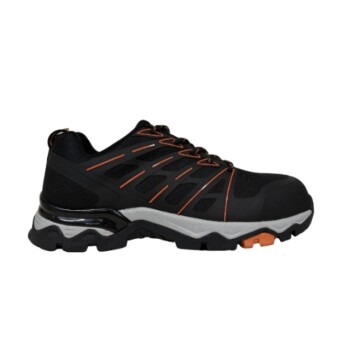
Профессиональные защитные ботинки служат основным интерфейсом стабилизации между работником и окружающей средой. Они напрямую решают проблемы с равновесием и походкой, используя подошвы с высоким сцеплением и эргономичную поддержку свода стопы для улучшения контроля над центром тяжести, тем самым снижая физическую неустойчивость, которая вызывает страх падения (СФП).
Ключевой вывод Страх падения часто коренится в физической неустойчивости и нарушениях походки. Механически укрепляя центр тяжести носителя и обеспечивая превосходное сцепление, профессиональные защитные ботинки снижают реальный риск падения, что помогает облегчить психологическую тревогу, связанную с передвижением в опасных условиях.
Механика устойчивости
Чтобы понять, как обувь смягчает страх падения, мы должны рассмотреть, как конкретные особенности исправляют физическую неустойчивость.
Подошвы с высоким сцеплением
Скольжение — основной триггер нерешительности в походке и тревоги. Профессиональные защитные ботинки используют подошвы с высоким сцеплением, разработанные для сцепления с различными промышленными поверхностями.
Это механическое сцепление позволяет носителю ходить естественной походкой, а не осторожной, шаркающей походкой, часто наблюдаемой у людей, страдающих СФП.
Эргономичная поддержка свода стопы
Устойчивость начинается с выравнивания стопы. Эргономичная поддержка свода стопы имеет решающее значение для поддержания структурной целостности стопы во время движения.
Правильная поддержка снижает усталость и обеспечивает биомеханически эффективное приземление и отталкивание стопы, исправляя незначительные нарушения походки, способствующие потере равновесия.
Устранение причин страха
Страх падения — это психологическая реакция на физическую реальность. Устранение физических причин напрямую влияет на психологическое состояние.
Улучшение контроля над центром тяжести
Основной источник указывает контроль над центром тяжести как ключевое преимущество профессиональной обуви.
Когда работник чувствует, что его центр тяжести находится в безопасности, он поддерживает лучшую осанку. Этот контроль предотвращает хаотичные смещения веса, которые часто предшествуют падению.
Разрыв петли неустойчивости
Существует прямая связь между структурной устойчивостью и психологической уверенностью.
Физически снижая вероятность скольжений и неверных шагов, защитные ботинки прерывают обратную связь, где страх приводит к скованности, а скованность — к повышенному риску падения.
Понимание компромиссов
Хотя профессиональные защитные ботинки являются критически важными инструментами, они не являются универсальным средством от всех проблем с походкой.
Вес против устойчивости
Более тяжелые защитные ботинки обеспечивают надежную защиту, но могут привести к усталости ног в течение долгих смен.
Усталость может в конечном итоге ухудшить качество походки, потенциально вновь создавая опасность споткнуться, если обувь слишком тяжела для физических возможностей пользователя.
Ложное чувство безопасности
Структурная устойчивость не устраняет опасности окружающей среды.
Существует риск, что работники могут чрезмерно полагаться на сцепление своей обуви, занимаясь более рискованным поведением или двигаясь слишком быстро по опасным поверхностям, сводя на нет преимущества безопасности.
Сделайте правильный выбор для вашей цели
Выбор правильной обуви требует баланса между защитой и биомеханическими потребностями.
- Если ваш основной фокус — максимальная устойчивость: Отдавайте предпочтение обуви с агрессивным рисунком протектора с высоким сцеплением и жесткой поддержкой свода стопы для механической фиксации центра тяжести.
- Если ваш основной фокус — снижение усталости: Ищите эргономичные конструкции, которые предлагают необходимые опорные структуры, но используют более легкие композитные материалы для поддержания эффективности походки с течением времени.
Правильная обувь превращает пол из угрозы в устойчивое основание.
Сводная таблица:
| Характеристика | Влияние на устойчивость и походку | Психологическая польза |
|---|---|---|
| Подошвы с высоким сцеплением | Предотвращают скольжение и обеспечивают естественную, не шаркающую походку. | Снижает тревогу, связанную с скользкими или неровными поверхностями. |
| Эргономичная поддержка свода стопы | Корректирует выравнивание стопы и уменьшает биомеханические аномалии. | Повышает уверенность при постановке шага и приземлении стопы. |
| Контроль над центром тяжести | Поддерживает осанку и предотвращает хаотичные смещения веса. | Разрывает петлю, где физическая неустойчивость приводит к страху. |
| Легкие материалы | Снижает усталость ног для поддержания качества походки в течение долгих смен. | Предотвращает когнитивное отвлечение, вызванное физическим истощением. |
Обеспечьте безопасность вашей рабочей силы с помощью премиальной защитной обуви
Являясь крупным производителем, обслуживающим дистрибьюторов и владельцев брендов по всему миру, 3515 предлагает комплексные производственные возможности для всех типов обуви. Мы специализируемся на удовлетворении биомеханических потребностей в безопасности с помощью нашей флагманской серии Safety Shoes, разработанной для улучшения равновесия и снижения рисков, связанных со страхом падения (СФП).
Независимо от того, нужны ли вам рабочие и тактические ботинки с высоким сцеплением, эргономичная обувь для улицы и тренировок или профессиональная обувь Dress & Formal для оптовых заказов, 3515 обеспечивает структурную устойчивость, которую требуют ваши клиенты. Позвольте нам помочь вам поставлять обувь, которая превращает опасные условия в устойчивые основания.
Готовы обновить свой ассортимент с помощью ведущих в отрасли решений для обеспечения безопасности?
Свяжитесь с 3515 сегодня, чтобы обсудить ваши оптовые потребности
Ссылки
- Kamila Kolpashnikova, S. Desai. Fear of falling: Scoping review and topic analysis using natural language processing. DOI: 10.1371/journal.pone.0293554
Эта статья также основана на технической информации из 3515 База знаний .
Связанные товары
- Премиальная защитная обувь с вращающейся пряжкой, защитные кроссовки
- Спортивная защитная обувь из премиальной замши для оптовых и крупнооптовых заказов
- Спортивная защитная обувь премиум-класса с инжекционным методом KPU
- Оптовая противоскользящая и пробивная защитная обувь на заказ для брендов
- Премиальные защитные ботинки из пшеничной нубуковой кожи для оптовой дистрибуции
Люди также спрашивают
- Какие отрасли имеют особые требования OSHA к обуви? Обеспечьте соответствие и защитите свою рабочую силу
- Как выбрать лучшую защитную обувь? Сопоставьте сертифицированные характеристики с вашими опасностями
- Как сложные рисунки протектора подошвы защитной обуви взаимодействуют с покрытиями полов? Освойте инженерию противоскольжения
- Что происходит на этапе раскроя при производстве защитной обуви? Точность, процесс и качество
- Как специализированная защитная обувь защищает от травм при обслуживании аккумуляторов? Предотвращение ударов и химических ожогов